Short Journeys, Lasting Teachings
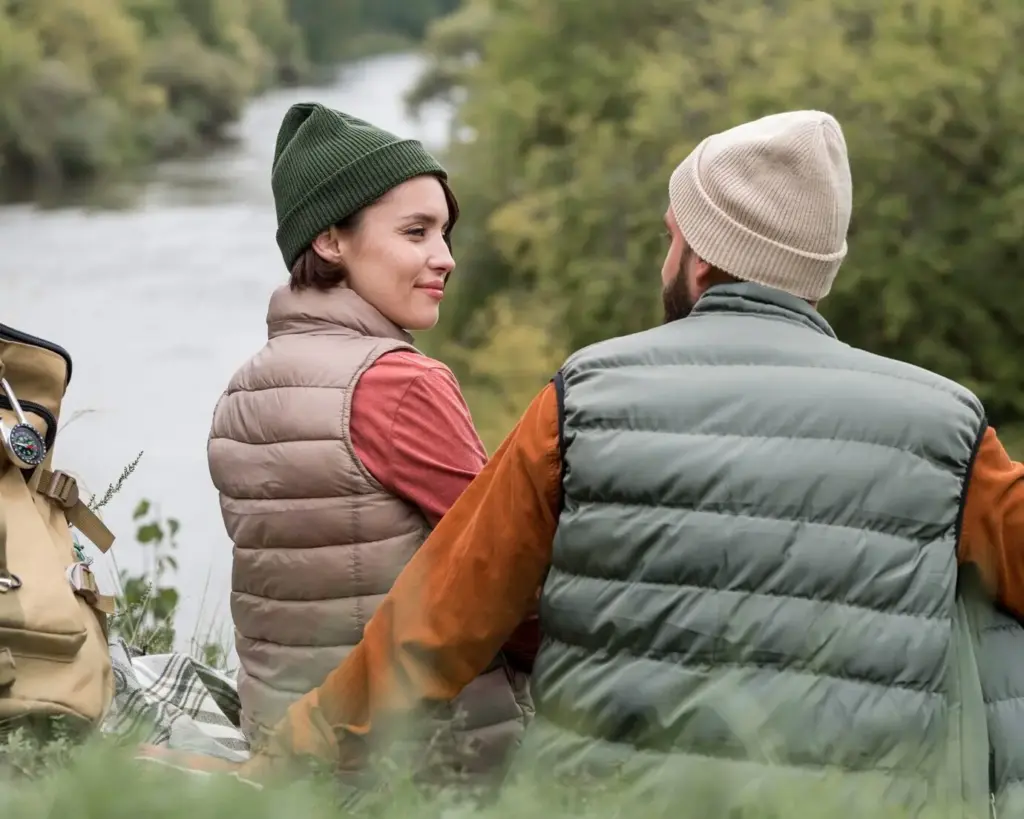
Join us as we spotlight Indigenous-led short outdoor experiences across Canada—guided walks, canoe drifts, shoreline harvests, and fireside stories that fit into an afternoon yet echo for years. Learn protocols, seasonal rhythms, language, and respectful ways to step onto the land. Meet hosts who share place-based knowledge with warmth and clarity, while inviting you to slow down, listen deeply, and carry home practices that honor living relationships with waters, animals, plants, and the sky above.

Walking With Knowledge Keepers

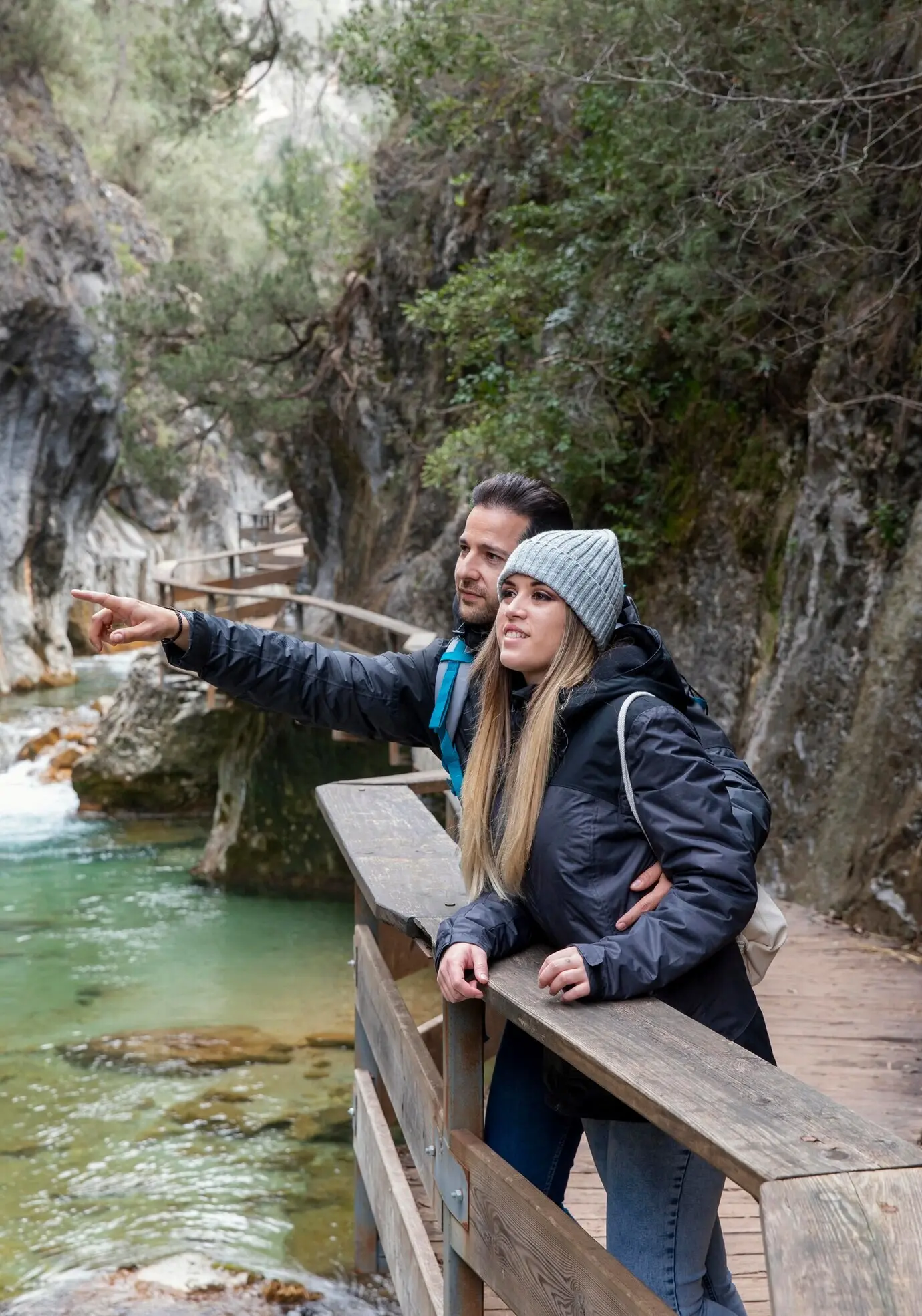
When Elders and Knowledge Keepers lead, even an hour becomes spacious. A short walk can hold careful introductions, gratitude, and teachings about nearby rivers, cedars, and the responsibilities guests carry. You’ll experience the gentle cadence of welcome and the respectful attention to stories that belong to specific places. Expect practical guidance about walking softly, pausing together, and letting curiosity be shaped by consent, care, and the protocols that make relationships strong and long-lasting.
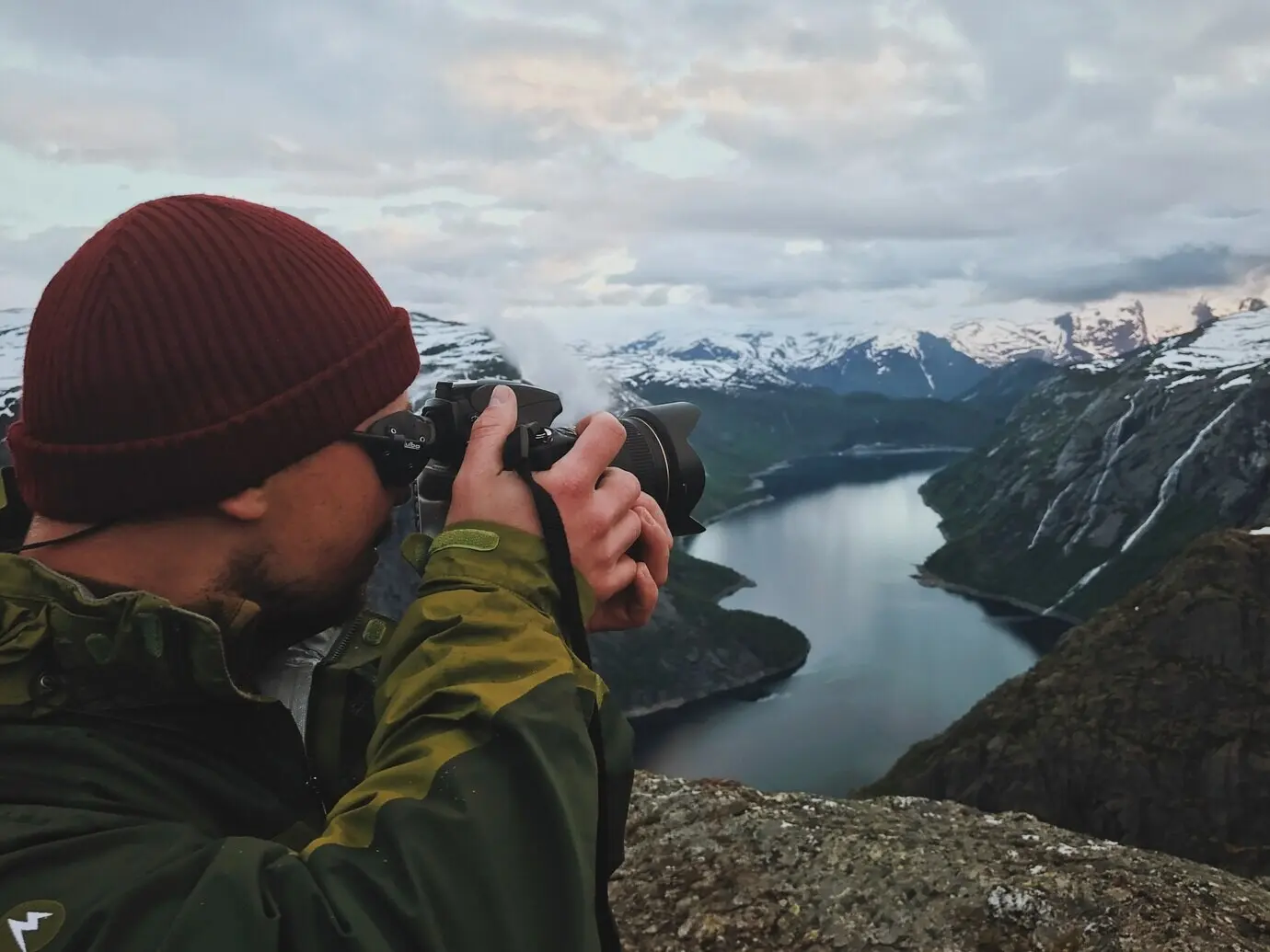
You might begin with names, community connections, and a few words in the host language. Some guides invite a small offering or a moment of quiet before stepping onto the trail. Ask about photos before taking any, avoid interrupting stories, and listen for subtle cues about what can be shared later. These simple protocols create trust, protect cultural knowledge, and ensure that every participant feels respected, safe, and fully present in the experience.
Even within a city park, the land speaks through wind direction, bird calls, water sounds, and plant companions. Guides reveal layered signs—lichen on old bark, soft ground near springs, tracks pressed into dew. A forty-five minute loop becomes a living classroom where questions replace assumptions, and time slows enough to notice tiny conversations among stones, insects, and shade. You leave with sharpened senses and a renewed ability to see wonder in familiar places.
Short experiences welcome diverse bodies, ages, and energy levels. Guides set a pace that honors Elders’ steps, children’s curiosity, and the quiet that learning requires. Frequent pauses invite stories, water breaks, and laughter. Seating stones and rest logs are not afterthoughts; they are essential. Inclusive walks emphasize belonging over distance, celebrating that deep connection does not require miles, only attention and care. Everyone is invited to contribute, ask, and carry insights home together.

Seasons and Places From Coast to Coast to Coast

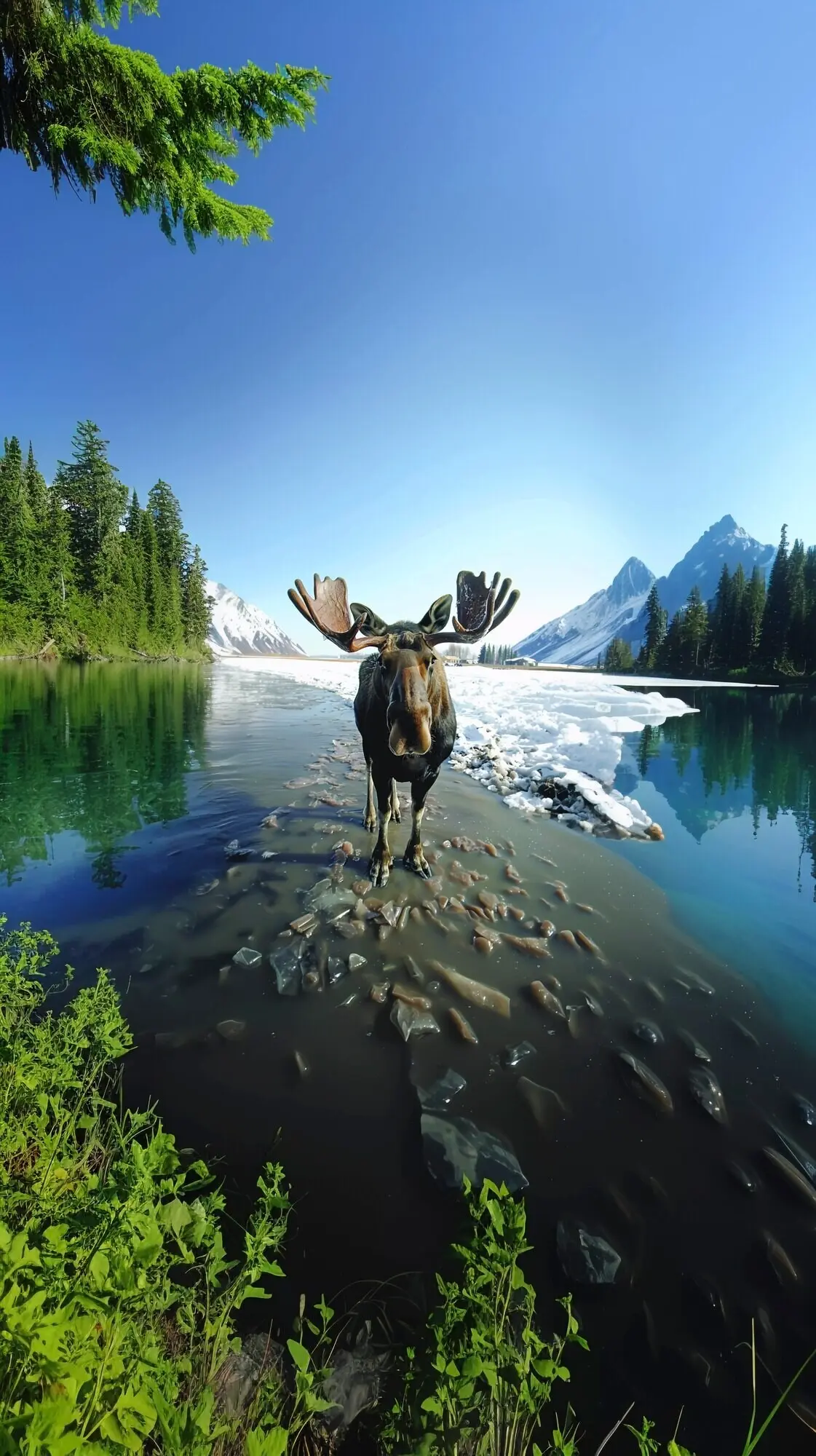
From Pacific rainforest drizzles to Prairie winds, from Great Lakes shorelines to Arctic light, short outings adapt to season and place. Guides interpret snow crystals, berry cycles, salmon runs, and geese formations, connecting weather to responsibility and celebration. Thirty to ninety minutes outdoors can mirror a whole seasonal round, reminding visitors that learning happens at the pace of change. Whether urban or remote, each place offers unique teachings shaped by its language, waters, and community relationships.

Winter Breath: Snowshoe Teachings

Winter outings highlight stillness and clarity. Snowshoe steps reveal how pressure travels, how animal tracks overlap, and how stories rise in visible breath. Guides share teachings about cold safety, star patterns returning to evening skies, and why certain places rest undisturbed. Simple movements—warming hands, noticing hoarfrost on willow—become ceremonies of attention. Short distances feel expansive when snow scrubs sound away, and the land’s quiet voice carries clearly under moonlit clouds and aurora-painted horizons.

Spring Thaw: Rivers and Returns

In spring, short walks and gentle paddles follow water’s release. Guides point out sap flows, migratory birds stitching familiar routes, and delicate shoots that require careful feet. You may stop to listen where ice thins, learning the connection between melt timing, fish lifeways, and community celebrations. Brief, attentive outings during shoulder season demonstrate how patience protects trails, and how returning songs invite people to greet the land with renewed humility, gratitude, and collaborative stewardship.
Language, Story, and Song
Words shape how we see. Guides often weave local language into simple phrases—greetings, plant names, winds—revealing relationships embedded in grammar and sound. Short outdoor gatherings become lively classrooms where stories travel along the trail with humor and care. Some songs invite echoes; others invite silence. Participants learn why certain narratives belong to winter, or why some stories pause at a particular bend. You carry home pronunciations, place names, and a deeper appreciation of memory.

Foodways and Hands-On Skills

Tasting and making connect learning to the body. Short outdoor experiences might include harvesting invasive species for delicious meals, mixing bannock dough by the fire, or trying simple cedar weaving. Guides contextualize each activity within responsibilities and local laws. Rather than novelty, these moments demonstrate continuity and community resilience. You discover how techniques adjust across regions while ethics remain steady: take little, share plenty, waste nothing, and thank the land through careful, everyday practice.

Foraging With Care and Permission

Responsible foraging starts with permission from hosts and the land’s rhythms. Guides show how to identify plants, harvest sustainably, and avoid sensitive areas. You learn to observe pollinators, leave roots for regrowth, and take only what you can use or share. Even a brief outing teaches how stewardship tastes—bright, earthy, and grateful. These skills empower visitors to replace extractive habits with reciprocal habits that nourish communities and keep ecosystems thriving across generations.

Fireside Cooking and Shared Meals

A small fire becomes a gathering place where bannock puffs, salmon roasts on sticks, or tea steams with spruce tips and kindness. Guides discuss fire safety, cultural protocols, and how food builds kinship. Participants contribute simple tasks, learning that flavor carries story and responsibility. When cups are rinsed and embers settle, the memory of warmth remains. Short meals can change long-held assumptions, showing that nourishment includes land care, fair compensation, and gratitude spoken aloud together.

Crafting Moments That Hold Memory

Hands-on activities—tying a canoe knot, weaving a small cedar strand, or practicing paddle strokes—turn knowledge into muscle memory. Guides emphasize patience and precision over speed, explaining origins and uses. Even brief practice sessions are framed by safety, consent, and cultural grounding. You leave with a small skill and a large appreciation for the mentors who hold these arts. The craft becomes a reminder to slow down, care for tools, and teach gently when asked.

Safety, Preparation, and Accessibility

Comfort supports learning. Short outings still require layers for shifting weather, water for steady focus, and footwear that respects roots and stones. Guides share safety plans, first aid readiness, and wildlife awareness shaped by local experience. Accessibility matters: clear routes, rest points, and options for mobility aids ensure belonging. Preparation also includes relational safety—asking before photographing, avoiding sensitive geotags, and following instructions promptly. Prepared participants help protect hosts, habitats, and the integrity of shared time.

Continuing the Relationship

A short outing begins a longer conversation. Many hosts invite guests to return seasonally, support youth programs, or follow language lessons online. Meaningful follow-up can include purchasing from local artisans, advocating for land stewardship, and sharing reflections with permission. Community grows when participants subscribe to updates, attend open events, and leave thoughtful feedback. These simple commitments transform an afternoon’s wonder into ongoing care, ensuring teachings live in daily choices, not only in memory.
Reciprocity looks like fair payment, tipping when appropriate, and asking how to help beyond the outing. Some programs fund gear libraries, elder honoraria, or youth land camps. Consider donating, volunteering, or amplifying community fundraisers. Purchase directly from artisans and food producers, respecting cultural ownership and local economies. Reciprocity is not charity; it is relationship. Small, consistent actions help keep guides teaching, tools maintained, and knowledge pathways open for generations to come.
Keep curiosity alive through recommended books, podcasts, museum exhibits curated by Indigenous voices, and language apps approved by communities. Many guides share reading lists or short videos that reinforce trail teachings. Join seasonal webinars, attend local markets, or visit cultural centers to deepen context. Continuing education ensures respectful participation on future outings, transforming visitors into attentive neighbors who advocate for habitat protection, community consent, and thoughtful public decisions rooted in lived knowledge.
Subscribe for new walk announcements, short paddles, and fireside evenings near you. Leave a respectful comment describing what you learned and what you’re curious to explore next time. Invite friends who value listening. When sharing experiences online, link directly to hosts, cite community guidance, and avoid revealing sensitive locations. Staying connected with care turns one beautiful hour outdoors into a durable relationship, guided by gratitude, humility, and a commitment to keep learning together.
Napapufuxevizofura
Privacy Overview

This website uses cookies so that we can provide you with the best user experience possible. Cookie information is stored in your browser and performs functions such as recognising you when you return to our website and helping our team to understand which sections of the website you find most interesting and useful.